Technology

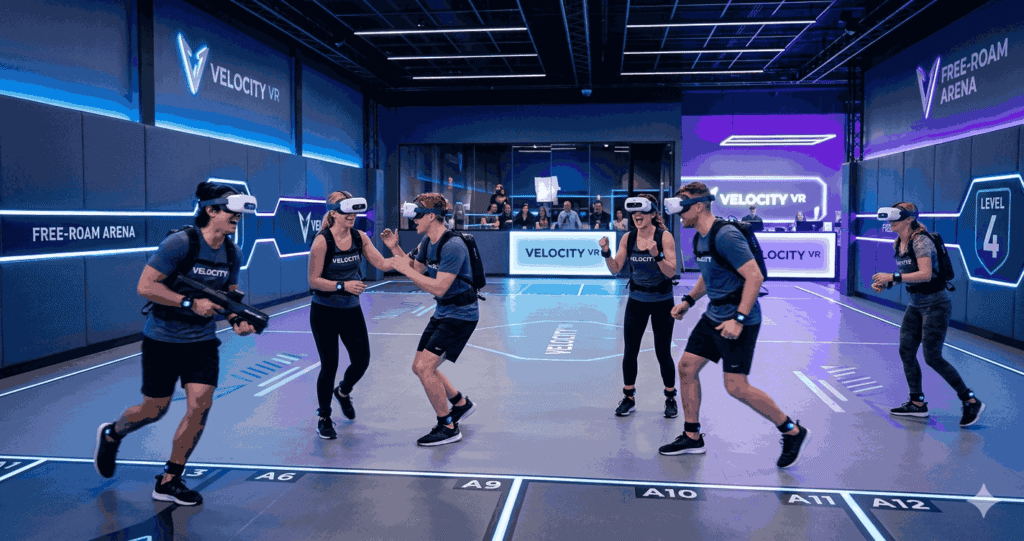
Group of people in a free-roam VR arcade wearing full-body tracking suits and VR headsets playing a multiplayer game in a large open space

VR Arcade in 2026: What to Expect, What It Costs, and Whether It’s Worth It

 The location-based VR market was valued at $1.90 billion in 2025 and is projected to reach $2.76 billion in 2026, growing at a 31.1% CAGR through 2031 (Mordor Intelligence). VR arcades hold 45.21% of that market. Here’s what a modern VR gaming center actually offers, how much it costs to visit, and how the experience …

VR Arcade in 2026: What to Expect, What It Costs, and Whether It’s Worth It Read More »

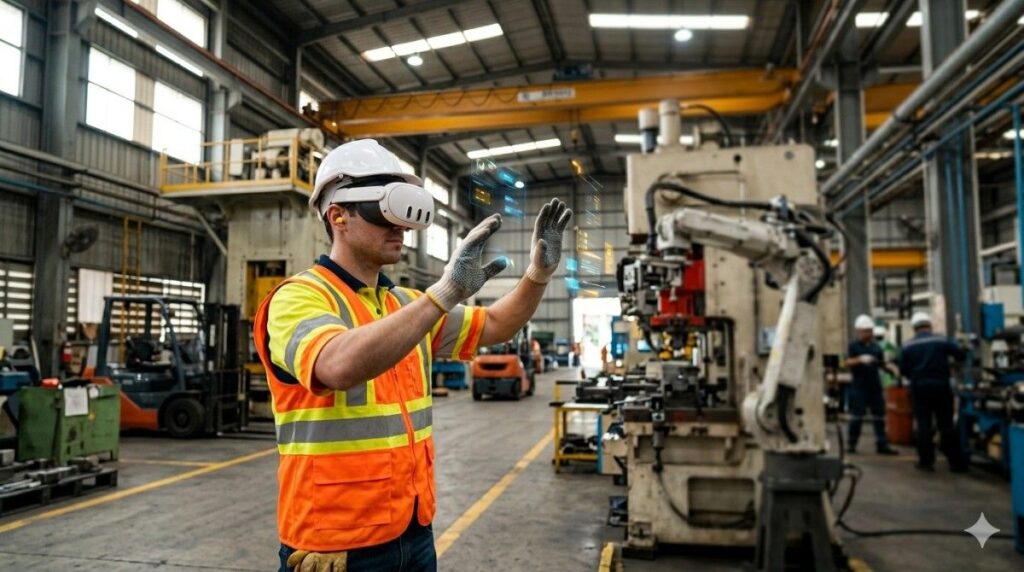
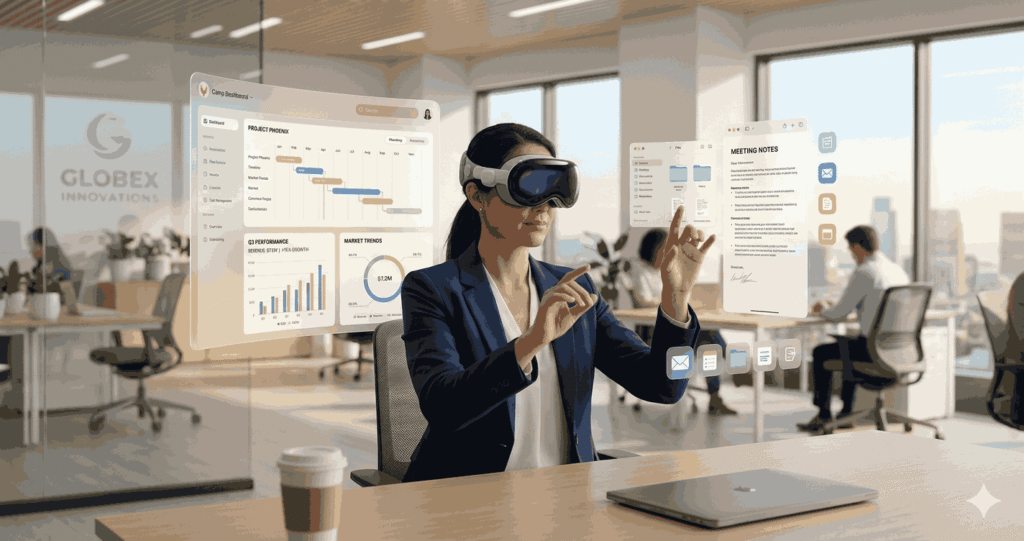
A person wearing the Apple Vision Pro headset interacting with floating 3D interfaces in a professional enterprise environment representing spatial computing in 2026

Spatial Computing in 2026: What It Actually Is (And Why It’s Bigger Than VR)

Spatial computing is the computing paradigm where digital content occupies and interacts with physical space, rather than appearing on a flat screen. The global spatial computing market was valued at $157.59 billion in 2025 and is projected to reach $201.93 billion in 2026 (Roots Analysis). Apple Vision Pro, Microsoft HoloLens 2, and Meta Quest all …

Spatial Computing in 2026: What It Actually Is (And Why It’s Bigger Than VR) Read More »

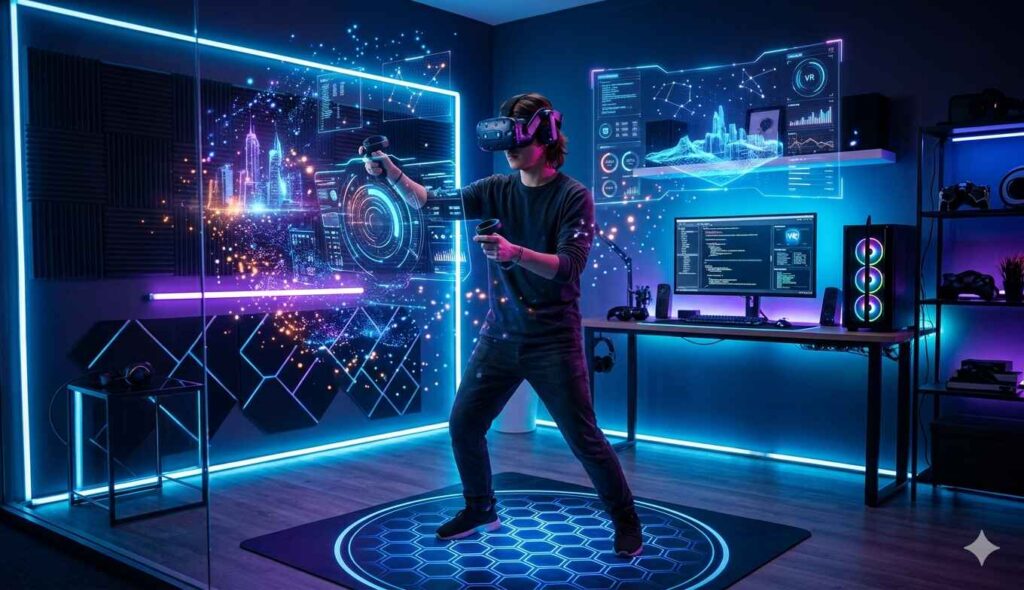
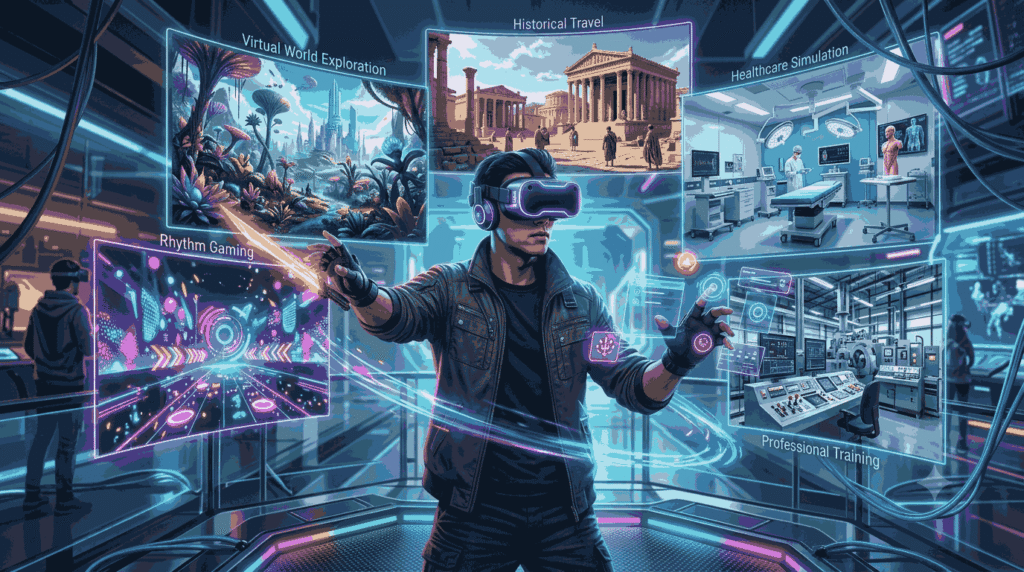
A person wearing a modern VR headset interacting with glowing, holographic digital interfaces and data charts. The scene is set in a futuristic, immersive environment with a vibrant neon blue and purple color palette. The person is positioned to the right, leaving open space on the left for text.

How Does Virtual Reality Work? Explained Step by Step

You put on a headset, and suddenly you are not in your room anymore. You are somewhere else. A game. A hospital simulation. A property tour. It feels real enough that your brain starts believing it. That is where most people stop thinking.
But if you go one layer deeper, the real question is this: how does virtual reality actually pull this off?

Scroll to Top