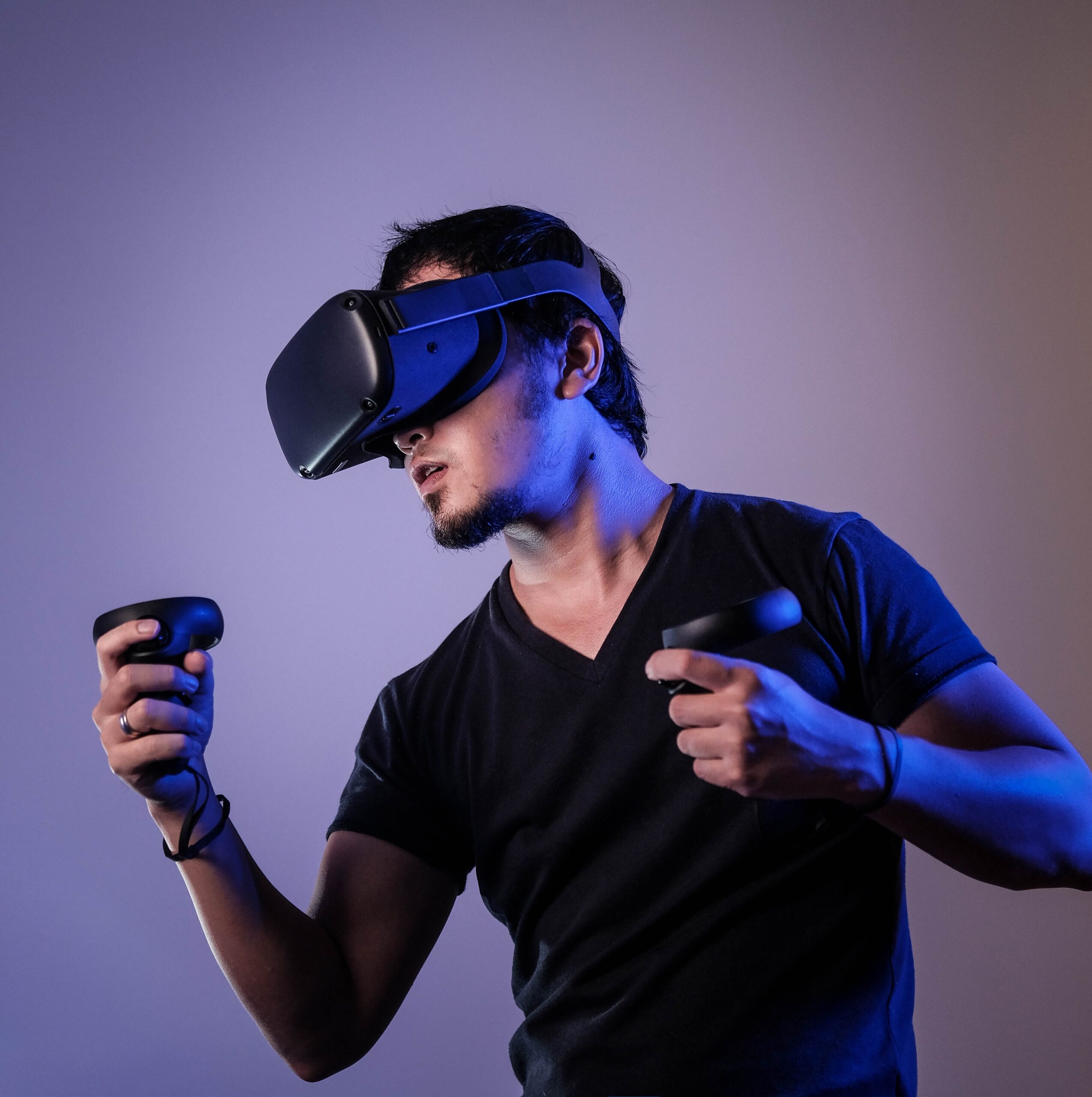
Future of Virtual Reality - Gateway To Endless Possibilities
Virtual Reality is no longer a glimpse of tomorrow. With over 216 million users worldwide already embracing it, the real question is how well you understand what comes next.
Virtual reality crossed a threshold in the last three years that most coverage missed. It stopped being a technology people try and started being one businesses depend on. Over 75% of Fortune 500 companies now run VR training programs. Half of universities worldwide offer VR-based courses. The global market, valued at $67.6 billion in 2025, is projected to reach $187 billion by 2032.
That growth is not coming from better graphics. It is coming from VR solving real problems: cutting surgical training costs, reducing workplace injuries, closing the gap between classroom theory and hands-on experience. The headsets got lighter. The software got smarter. The use cases got undeniable.
This site exists to help you track that shift clearly. Whether you are researching your first VR headset, evaluating enterprise deployment, or following the intersection of AI and immersive technology, you will find analysis here that does not waste your time.
A New Way To Travel, Explore, and Experience The World Without Leaving Your Home

Future Of Virtual Reality and its Related Technologies
Virtual Reality
Experience the impossible and immerse yourself in a whole new world with Virtual Reality technology.” VR immerses users in new worlds, entertainment, education, and therapy.
Augmented Reality
AR enhances the real world by overlaying digital information onto the user’s view, useful in education, gaming, and industry.
Metaverse
The Metaverse is a virtual world that exists parallel to the real world, where users can interact with each other and digital objects.
People have been predicting the future of VR since the 1990s.
The technology arrived slower than the hype promised and faster than the skeptics allowed.
Spatial Computing
Spatial computing blends the digital and physical worlds, letting devices understand and respond to the space around you. It’s reshaping how we work, navigate, and interact with our surroundings in real time.
Education
Unlocking the full potential of education with VR and AR technology. A new way of learning where students can experience and interact with subjects in an immersive and interactive way.
Healthcare
VR and AR technology is being used in healthcare for therapy and training, it has the potential to revolutionize the way we treat patients. VR technology is bringing new dimensions to the traditional healthcare system.
Top Articles
Every article on this site is written to answer a specific question a specific reader has. Not to hit a word count. Not to cover a broad topic shallowly. If you read something here and leave without a clearer understanding than you arrived with, we have not done our job.
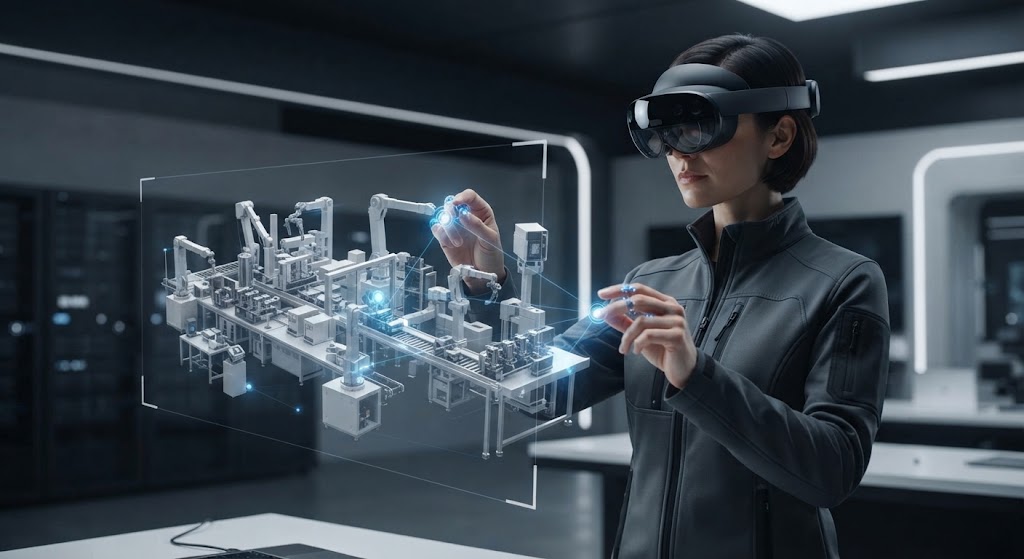
VR for business is moving beyond experimentation. Explore how companies use VR for training, manufacturing, haptics, real estate and simulation, with real-world examples, costs, ROI and practical insights.
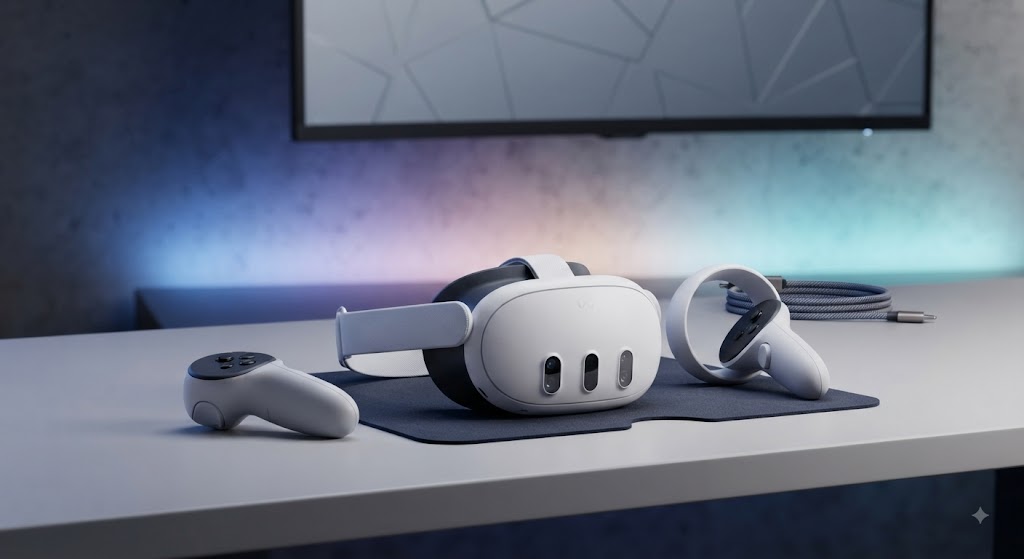
Cheap VR headsets used to mean cheap VR experiences too. That stopped being true around 2024, and most buying advice hasn’t caught
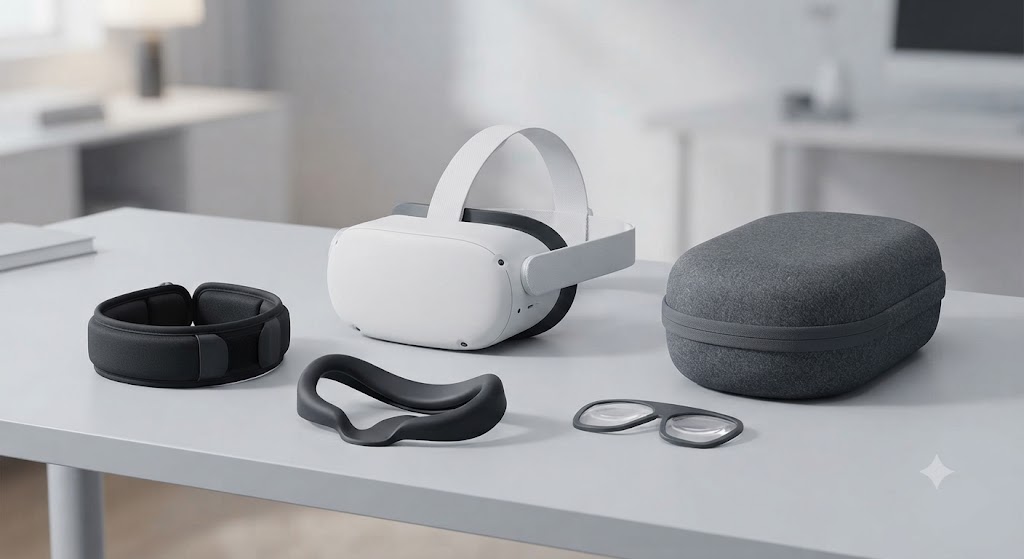
Twenty minutes into your first long VR session, you’ll probably feel it: a hot line pressed across your forehead, or a headset
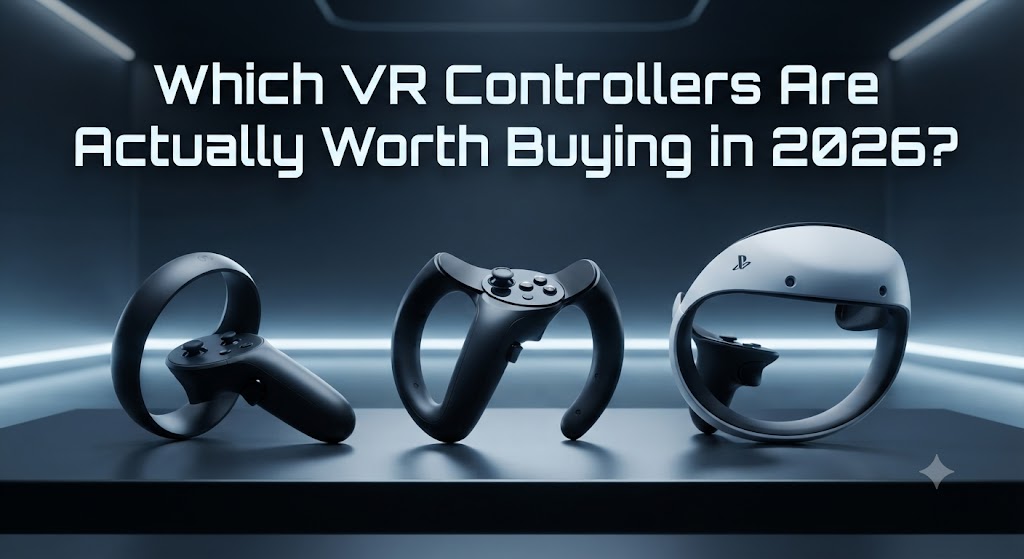
If you only remember one thing from this guide, remember this: the controllers that came in the box with your headset are
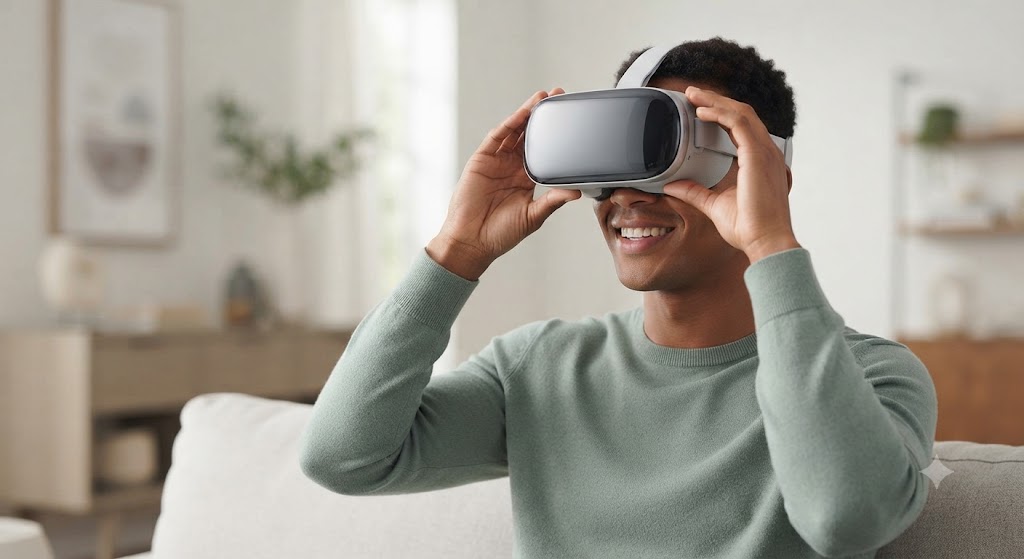
Buying your first VR headset should not feel like studying for a test. It does for most people, because most headset guides are written for people who already know the terms. This one is not.
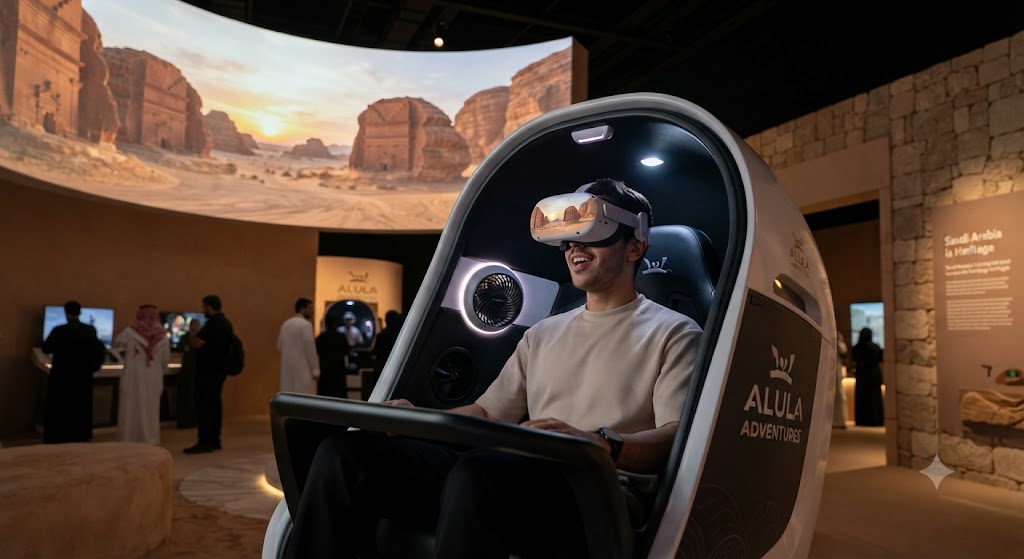
Two Gulf nations are betting on virtual reality to shape how the world sees them, and they’re taking genuinely different approaches. Saudi
CATEGORIES
Read the latest and most popular articles about virtual reality, VR history, augmented reality, immersive gaming, AI technology, and future innovations. Stay updated with expert insights, detailed guides, and the newest developments in the tech world.
Explore VIRTUAL Reality Future
Spatial Computing
Spatial computing is what happens when digital content stops living on a flat screen and starts occupying physical space around you. It is the technology layer underneath VR, AR, and mixed reality, and in 2026 it is redefining what a computer interface actually looks like. The Apple Vision Pro made it visible to consumers. Enterprise has been building on it for years.
- Digital content that responds to your physical environment in real time
- The converging point of VR, AR, AI, and 3D interaction
- Replacing flat screens in design, surgery, training, and remote work
- The foundation every major headset platform is now building toward
The Metaverse
The metaverse as a marketing term peaked and collapsed. The concept underneath it did not. Persistent, shared virtual spaces where people meet, work, build, and transact are being developed across gaming, enterprise, and social platforms right now. The question is not whether they will exist. It is which ones will reach the scale needed to actually matter.
- Persistent virtual environments that exist beyond any single session
- Digital economies where real value is created and exchanged
- Enterprise collaboration spaces replacing video calls and flat screens
- Social and creative platforms built for identity, not just content
Virtual Reality
VR transforms how we interact with digital worlds, immersing us in lifelike experiences that blur the line between the virtual and real. From gaming and education to training and therapy, VR offers endless possibilities for boosting our everyday lives.
- Immersive gaming experiences
- Revolutionary educational tools
- Advanced training simulations
- Therapeutic applications
Explore how VR is shaping the future of digital interaction.
Augmented Reality (AR)
AR enriches our perception of the world by overlaying digital information onto our physical surroundings. This seamless blend of reality and virtual elements enhances everything from shopping and navigation to education and healthcare.
- Enhanced shopping experiences
- Interactive navigation aids
- Innovative educational tools
- Improved healthcare solutions
Discover the potential of AR to transform your daily life!
VR Headsets
VR Headsets are the gateway to new realms of digital immersion, offering users unparalleled access to virtual environments. Whether you’re exploring distant galaxies, participating in interactive training, or enjoying immersive games, VR headsets provide the sensory feedback needed for a fully engaging experience.
- Explore new worlds
- Participate in interactive training
- Enjoy immersive gaming
- Experience sensory feedback
Step into the future with the latest VR headsets.
Future of Virtual Reality
The Future of Virtual Reality is a dynamic and exciting journey into a world where digital and physical realities converge. With advancements in VR technology, the future holds limitless potential for innovations in entertainment, education, healthcare, and beyond.
- Innovations in Entertainment
- Cutting-edge educational tools
- Healthcare advancements
- Enhanced daily interactions
Embrace the future and see how VR is transforming our world.
Why This Site Exists
Virtual reality coverage online divides into two categories: breathless product launches and dismissive backlash. Neither is particularly useful to someone trying to understand the technology and make real decisions about it.
We started this site to occupy the space between those two positions: informed, evidence-based analysis of where VR is, where it is going, and what the data actually supports. The team behind it has been tracking this industry since 2020, when most mainstream coverage was still treating VR headsets as expensive toys.
Our approach is simple: cite your sources, update your content when the facts change, and write for the reader who wants to actually understand something, not just skim a list. If that sounds like what you have been looking for, read more about who we are.
Connect With Us and Take the First Step Towards Digital Success
We Will Contact You Within 1 to 2 Working Days